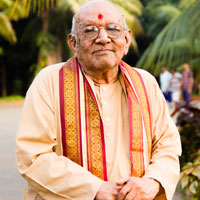
Kulapati Indrakanti Venkata Lakshmana Sastry (March 23, 1927 – October 7, 2020), popularly known as IVL Sastry, was a legendary Carnatic musician, educator, and cultural institution builder who single-handedly transformed the classical music landscape of Visakhapatnam. Though short in height, he stood tall in the world of Carnatic classical music, and though mild-spoken, he was the firebrand personality who initiated thousands of people into the world of music. His life's mission was serving the cause of Carnatic music selflessly, and his contributions have left an indelible mark on the cultural heritage of Andhra Pradesh.
Early Life and Musical Foundation
Born on March 23, 1927, at Penugollu to Indrakanti Lakshminarayana, a renowned vocalist trained under the expert tutelage of veena virtuoso Tumarada Sangameswara Sastry, and Annapurna, a tuneful singer with a wide repertoire of traditional devotional songs. As a scion of a family of noted musicians, he was initiated into vocal music by his father at a tender age. His early exposure to music was as natural as a bird to flight, with his family constantly participating in musical events like ekaham (24-hour music recitals), saptaham (seven-day music recitals), and sapta saptaham (50-day music recitals).
Multi-Instrumental Mastery
Beyond vocal music, IVL Sastry mastered multiple instruments through dedicated effort and expert guidance. He learned mridangam under the able guidance of the maestro Mullapudi Lakshmana Rao, known as "Mridanga Kesari." He also acquired proficiency in flute and kanjira through self-effort, believing that the portability of these instruments allowed music to travel with him wherever he went.
Professional Life and Early Career
After completing his education up to 10th standard, Sastry took up a job in the railways but continued to pursue music and teaching whenever possible. His first concert was in Calcutta, but he always maintained that teaching was closer to his heart than performing concerts, finding greater satisfaction in nurturing musical talent than in personal performance.
Institutional Contributions and Founding Vision
IVL Sastry's most significant contribution was the establishment of institutions that would outlive him:
Sangeetha Kala Samithi (1974): Founded as a musical organization contributing to classical music, organizing monthly concerts since its inception.
Sangeetha Janakulam (1979): His most ambitious project, providing free coaching in classical music and organizing regular recitals every second Saturday. The inspiration came from his shock at seeing only 6 people attend a Tyagaraja kirtanam sabha in Vizag, leading him to vow to change those numbers. Today, Sangeetha Janakulam has 4 centers in Vizag and branches in Delhi, Manguru, and Penugollu.
Cultural Transformation of Visakhapatnam
Through his tireless efforts, Sastry transformed Visakhapatnam's musical landscape. The Tyagaraja kirtanams at Kalabharati now stay packed for the entire ten-day duration, a testament to his success in building a music-loving community. His vision of making classical music accessible to all, regardless of economic background, revolutionized music education in the region.
Prestigious Titles and Recognition
His contributions earned him numerous prestigious titles and awards:
- Kulapati - Recognizing his role as a cultural patriarch
- Sangeetha Vachaspathi - By Maha Saaktha Dharmika Samsthan
- Sangeetha Praveena - By Sangeetha Kala Samithi
- Sangeetha Kala Tapasvi - By Jagadguru Sri Sankaracharya Sarada Peetham
- Poorna Purusha - By Viswa Samaikya Gnana Yoga Peetham
- MN Award - World Teachers' Trust
- Charla Ganapathi Sastry Award - Sri Vijaya Thyagaraja Sangeetha Sabha
- Gold Medal - Visakha Music Academy
Administrative and Cultural Leadership
Throughout his life, Sastry held numerous important positions:
- President - Samskara Bharathi (local branch)
- Expert Committee Member - Department of Culture, HRD, Government of India
- Secretary - Thyagaraja Aradhana Trust
- Examiner - MA in Music, Telugu University
- Cultural Adviser - All Kendriya Vidyalayas in Visakhapatnam
- Contributing Editor - International Spiritual Magazine, Mihira
Musical Family Legacy
IVL Sastry's dedication to music extended to his entire family, creating a musical dynasty:
- Son: Kali Prasad - Flutist of repute
- Daughters: Prof. Saraswathi Vidyardhi (AU Music Department), Sarada Subramaniam (Radio top-grade artist), and Annapurna
- Granddaughter: Lahari - Recognized as a child prodigy who could identify ragas at age two
Daily Practice and Teaching Philosophy
Even in his advanced years, Sastry maintained a rigorous daily routine: practicing music from 4 AM to 6 AM, followed by prayers, and then teaching students from 10 AM to 12 PM. He believed that music was both an art form (kala) with scientific principles underlying it, and emphasized that to find the beauty of Carnatic classical music, one must come seeking it with genuine interest.
Spiritual and Philosophical Approach
Sastry viewed music as integral to spiritual practice, believing that when mantras are recited with particular intonations, they generate vibrations that bring peace, calm, and enhanced concentration. He saw music as a powerful force that could reduce negativity, release stress, and restore peace in troubled times.
Concerns for Future Generations
Throughout his later years, Sastry expressed concern about youth losing connection with classical music culture. He believed that if young people would attend even a few classical music sessions, they would discover the beauty and depth that Carnatic music holds, and this remained one of his primary motivations for continuing his educational work.
Final Years and Passing
IVL Sastry continued his musical crusade well into his nineties, remaining active in teaching and cultural activities until his passing on October 7, 2020, at the age of 94. His death marked the end of an era in Visakhapatnam's cultural history.
Enduring Legacy
Kulapati IVL Sastry's legacy lives on through the institutions he founded, the thousands of students he taught, and the cultural transformation he brought to Visakhapatnam. The Sangeetha Janakulam continues to provide free music education, and his family members carry forward his musical traditions. He stands as a paragon of self-effacing zeal, having dedicated his entire life to promoting, propagating, and preserving the art of traditional music for posterity. His life exemplifies how one individual's vision and dedication can transform an entire community's relationship with classical music, creating lasting institutions that continue to serve future generations.